


STRENGTHIPR Osaka University
-

- STRENGTH
CHANGE THE FUTURE
Change the Future
– Three Strong Points –
As of May 2026
-
01
World-Class
Researchers28 laboratories
93 people※Faculty members and researchersREAD MORE
-
02
Joint Usage/Research Center
165 cases/year
READ MORE
-
03
Promotion of diversity
20 countries
69 people※Including internshipREAD MORE
-
04
International cooperation
13 countries
21 institutions※International cooperation agreementREAD MORE
STRENGTH01
World-Class Researchers
World-Class Researchers
28 laboratories 93 people※Faculty members and researchers
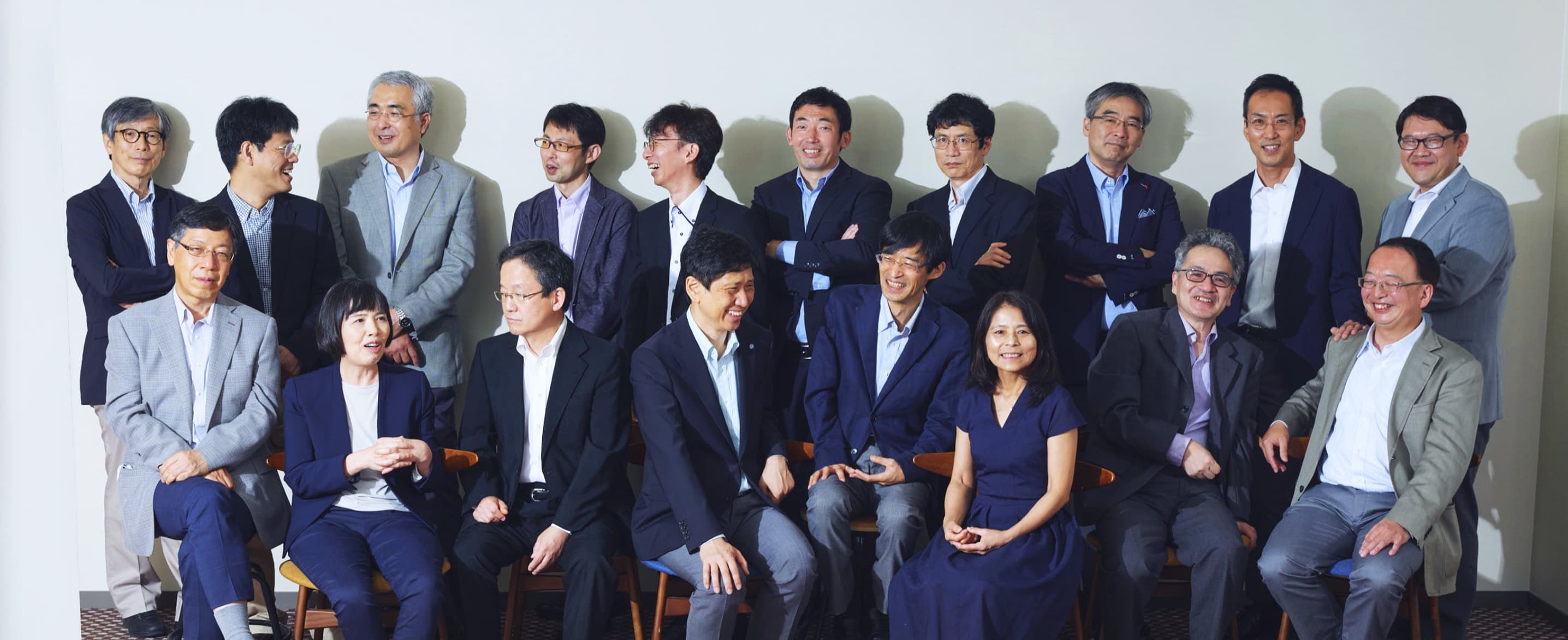
IPR holds top-tier scientists from various disciplines, including chemistry, biology, physics, medicine, and informatics, to conduct interdisciplinary studies on proteins – essential molecules of life-. IPR aims to uncover their properties and functions at various scales, from the atomic level to the individual level.
 ⒸRIKEN
STRENGTH02
JOINT USAGE / RESEARCH CENTER
Joint Usage and Research Center for Proteins
165 cases/year
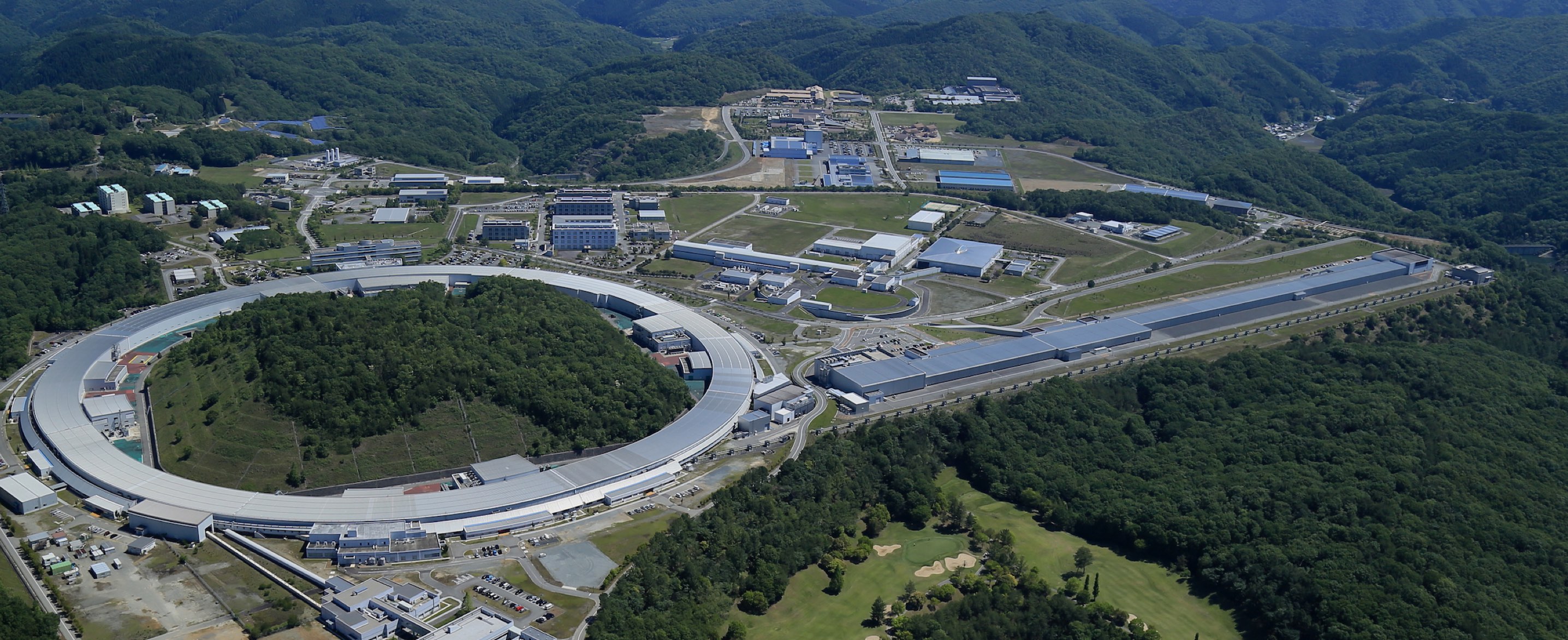
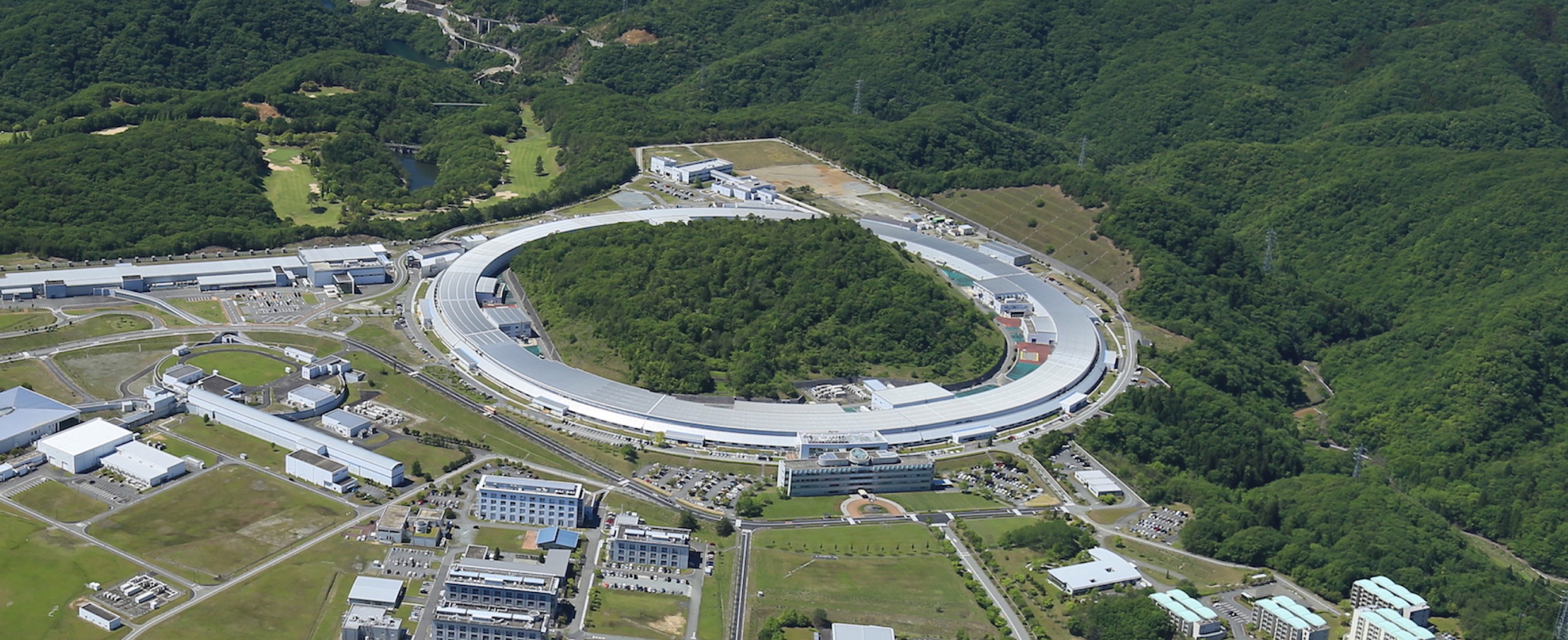
Since its foundation in 1958, IPR has been the “center of excellence” for protein science. We manage large research facilities and provide up-to-date protein science information to the global community. Every year, over 200 researchers visit IPR to take advantage of our resources. We also support the protein science community by hosting various activities, such as the “IPR Seminar,” which benefits more than 1,000 researchers annually.
-
Domestic Collaborators
-
International Collaborative Research
-
SPring-8 Collaborative Research
-
NMR Collaborative Research
-
Cryo-EM Collaborative Research
-
MicroED Collaborative Research
-
IPR Seminars
-
IPR Fellows
STRENGTH03
Promotion of diversity
Internationality
20countries 69people※Including internship
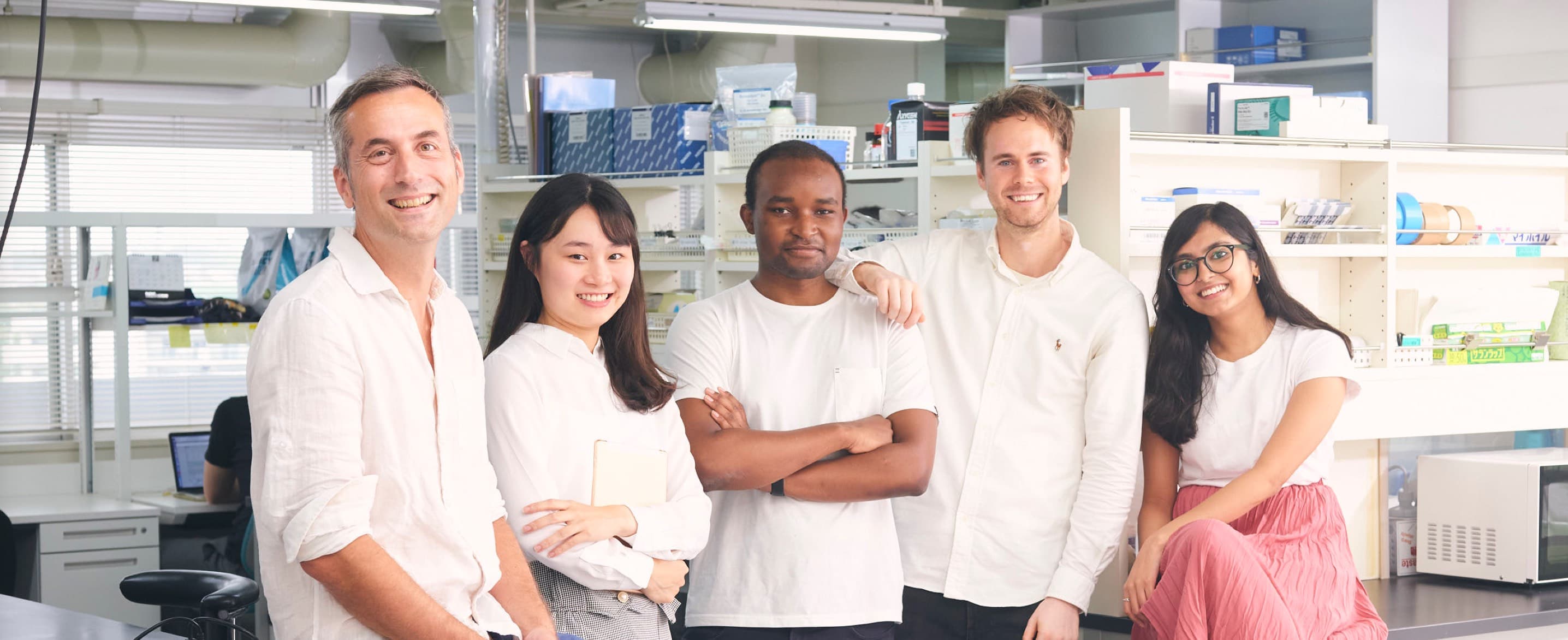
At IPR, foreign researchers account for approximately 14% of all researchers. In FY2025, IPR welcomed about 56 international and internship students, representing roughly 38% of all students enrolled at IPR. Students and faculty from a wide range of countries conduct their research here.

Gender Balance
39%
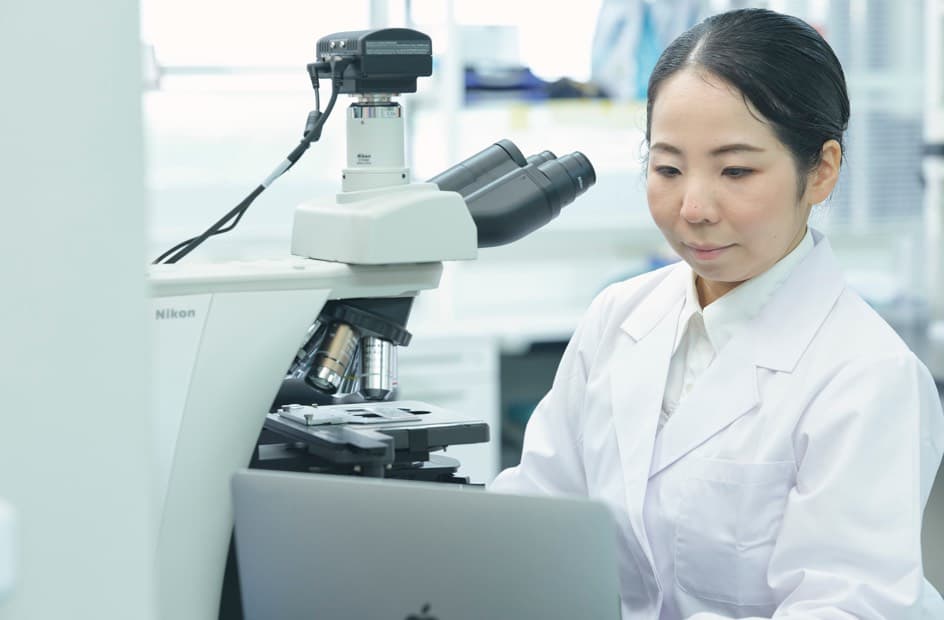
Many female researchers are conducting research at IPR. Women account for 39% of all IPR researchers, 37% of doctoral course students, and 41% of master’s course students. Female researchers are expected to play an increasingly active role in the future.

STRENGTH04
International Collaboration
Research networks connecting the world
13countries21institutions※Academic exchange agreements
We have concluded academic exchange agreements with leading research institutions around the world, including Asia, Europe, North America, and South America, and are actively engaged in global collaborative research and personnel exchange.
| Area | Country | Institution Name |
|---|---|---|
| Asia | India | Indian Institute of Chemical Biology |
| Indian Institute of Science Education and Research Thiruvananthapuram | ||
| Indonesia | Universitas Airlangga (Research center for Bio-molecule Engineering) | |
| Republic of Korea | Seoul National University (College of Pharmacy) | |
| Korea Basic Science Institute (Ochang Institute of Biological and Environmental Science) | ||
| Korea Institute of Science and Technology Information (Division of National Supercomputing) | ||
| the GADD Center of Ewha Womans university | ||
| Taiwan | National Synchrotron Radiation Research Center | |
| National Tsing Hua University (College of Life Science) | ||
| China | Westlake University ( School of Life Sciences/ Human Proteome Project 2.0-PDPM) | |
| Peking University (Center of Protein Science) | ||
| Malaysia | Universiti Putra Malaysia | |
| Oceania | Australia | The Australian National University (Research School of Chemistry/ College of Science) |
| Central America | Uruguay | University of the Republic (Faculty of Chemistry) |
| Cuba | Center for Genetic Engineering and Biotechnology | |
| Latin America | U.S.A. | Rutgers, The State University of New Jersey (Institute for Quantitative Biomedicine) |
| University of Chicago (The Ben May Department for Cancer Research) | ||
| Europe | Ireland | University College Dublin (System Biology Ireland) |
| Italy | Fondazione Istituto Italiano di Tecnologia | |
| Germany | Ruhr University Bochum (Faculty of Biology and Biotechnology) |